
In today’s fast-moving business environment, team resilience is a fundamental element for survival and success. Whether you’re navigating economic uncertainty, rapid industry change, or internal restructuring, resilient teams adapt, support each other, and continue to deliver. This guide unpacks the practical leadership strategies that will help your business foster true resilience—starting with psychological safety and extending to strengths-based agility.
What Does Team Resilience Really Mean?
Resilience isn’t merely about enduring hardship. In a business context, it’s the team’s ability to bounce back, learn from setbacks, and deliver despite adversity. Teams with high resilience don’t just survive—they thrive by strengthening their ways of working and supporting wellbeing.
Key attributes of resilient teams:
- Open communication and trust
- Emotional awareness
- Growth mindset
- Role flexibility and adaptability
- Ability to recover quickly from setbacks
Laying the Groundwork: Psychological Safety and Trust
Why Psychological Safety Comes First
Before a team can adapt or innovate, it must feel safe. Psychological safety means team members can speak up, make mistakes, and challenge each other without fear of ridicule or retribution. This isn’t about mollycoddling—it’s about creating the foundation for honest conversations and rapid learning.
- Encourage risk-taking and idea sharing
- Address mistakes constructively, focusing on learning, not blame
- Model vulnerability yourself—admit when you don’t have all the answers
Case in point: Google’s Project Aristotle concluded psychological safety was the single biggest predictor of team success. The message? Trust isn’t just nice to have—it’s non-negotiable.
Building Emotional Intelligence For Tough Times
Emotional intelligence (EQ) underpins resilient teamwork. Leaders who demonstrate empathy and help their teams navigate emotional ups and downs build a deeper sense of loyalty and collaboration.
Practical steps to boost EQ:
- Offer regular emotional check-ins at team meetings
- Train managers in empathy and listening skills
- Encourage open conversations about stress and difficulty
Example: At Microsoft, CEO Satya Nadella’s focus on empathy and understanding radically transformed the company culture, leading to both higher morale and performance.
Developing a Growth Mindset
Adopting a growth mindset—seeing setbacks as opportunities to learn rather than failures—enables teams to keep moving forward. Encourage challenge and innovation by rewarding effort and creative thinking, even if the outcomes aren’t always perfect.
- Celebrate small wins and lessons learnt from failures
- Provide stretch assignments and time for experimentation
- Publicly recognise those who push boundaries
Tip: Atlassian encourages teams to experiment, make mistakes, and share what they learned. This keeps innovation and resilience ticking together.
Communication: The Backbone of Resilience
Clear, honest, and regular communication is a must for navigating uncertain times. Information silos and vague updates only breed mistrust and confusion. Here’s how to keep everyone on the same page:
- Hold weekly “state of the play” briefings—even a five-minute update keeps anxiety at bay
- Create feedback loops, encouraging everyone to share their perspectives
- Use digital channels for transparency, but don’t skimp on 1:1 conversations
Try This: Story sharing exercises—get your team to share key moments in their careers and what they learned—can strengthen empathy and team bonds.

Strengths-Based Agility: Playing to Your Team’s Natural Talents
Forget forcing everyone into identical roles. High-performing teams are agile because they lean into their members’ individual strengths.
- Use tools like CliftonStrengths to identify team talents
- Assign tasks and responsibilities based on what people naturally do best
- Reinforce adaptability by cross-training, so skills aren’t siloed
Real-world example: During a curriculum overhaul, one FE college mapped staff strengths and redeployed people to roles where they could play to those strengths—making the transition smoother and engagement higher.

Focusing on Wellbeing: Why Self-Care Supports Resilience
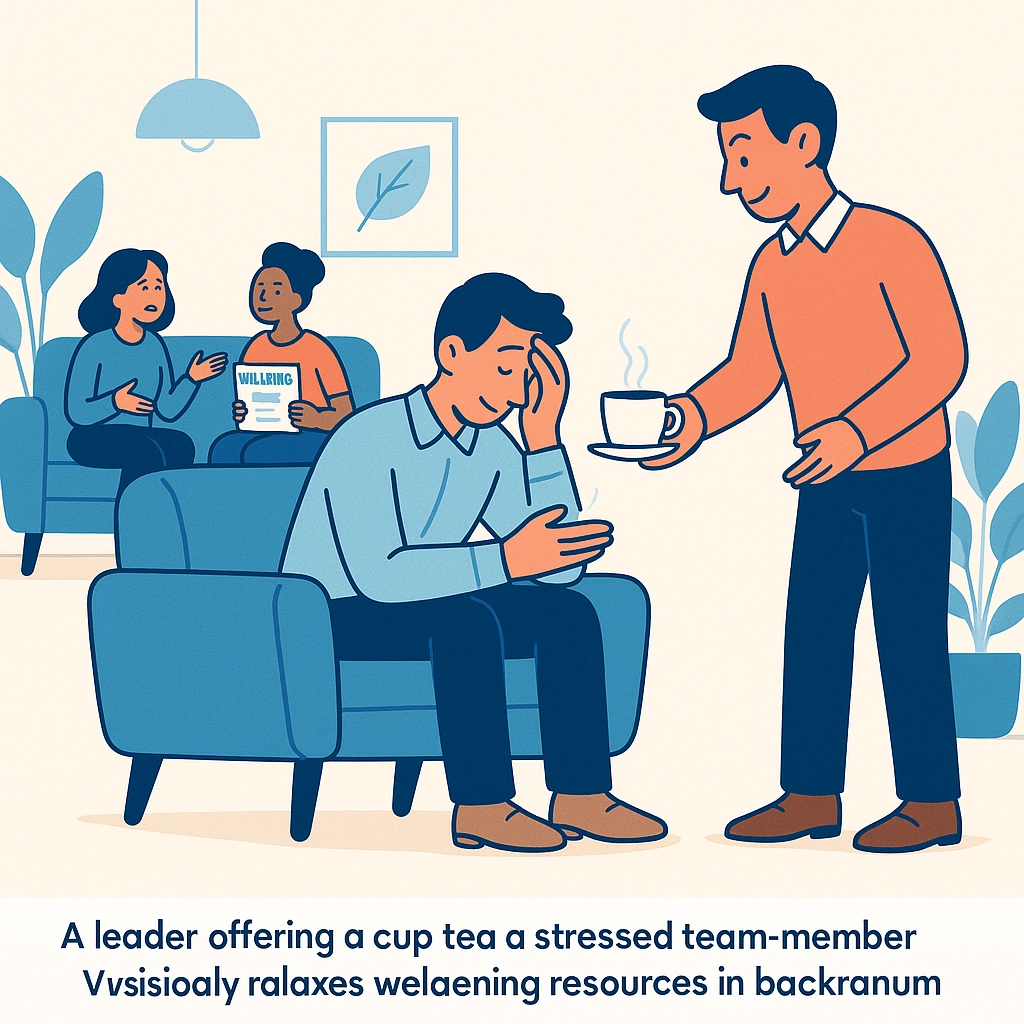
The best leaders know you can’t pour from an empty cup. Promote wellbeing in your team by:
- Encouraging regular breaks and respecting boundaries around working hours
- Providing resources—such as mental health support and stress management training
- Modelling positive behaviours yourself: take time off, talk openly about self-care
Statistic: 77% of executives report feeling burned out by relentless change. Prioritising wellbeing is not just a perk—it’s a business necessity.
Implementation: Making Resilience Real (and Measurable)
Step 1: Assess Your Starting Point
- Use anonymous surveys or team health checks to gauge current levels of trust, communication, and adaptability
- Identify “pain points” where your team struggles to cope
Step 2: Make a Specific, Timebound Plan
- Set clear, achievable goals—e.g., “Improve feedback participation rate by 30% in 3 months”
- Assign responsibilities and establish progress check-ins
Step 3: Continuous Development
- Encourage feedback at every stage, especially on what’s working (and what’s not)
- Recognise progress, no matter how small, and celebrate team successes

Leading From the Front: Your Resilience Sets the Tone
Your team will inevitably look to you in moments of challenge. Leaders who demonstrate optimism, clarity, and grit foster hope and stability around them.
Here’s how:
- Stay calm and clarify priorities during a crisis
- Don’t hide challenges; talk them through openly and honestly
- Own your mistakes and frame them as learning opportunities
Resilience is not about pretending all is well. It’s about staying grounded, positive, and intentional, whatever uncertainty throws your way.
Frequently Asked Questions
How long does it take to build a resilient team?
Building resilience is ongoing—it’s forged through regular habits, not a single intervention. Positive changes can take weeks to months to materialise, but small wins and celebrations create powerful momentum.
Can I build team resilience remotely?
Absolutely. Virtual psychological safety is created through regular check-ins, video calls, and accessible communication tools. Don’t underestimate the power of informal “water cooler” conversations, even if they’re virtual. Read more on Leadership Services’ Insights for practical remote leadership tips.
What if my team resists these changes?
It’s normal for teams to be sceptical, especially if trust is lacking. Start small, model the behaviours yourself, and share stories of impact. Gradual, consistent action can shift attitudes over time.
Further Resources
- Harvard Business Review: How to Build a More Resilient Team
- YouTube: Simon Sinek on Building a Strong Team
- Leadership Services: The Future of Innovative Interim Leadership
- For tailored support: Hire a Director
Takeaway
Building a resilient team isn’t about avoiding hard times—it’s about equipping your people (and yourself) to face them head-on with strength and flexibility. Put psychological safety, emotional intelligence, and communication at the centre, and your team will be ready for whatever comes next.