TL;DR
AI transformation is the shift from using AI tools here and there to redesigning how an SME works around them — its processes, roles, skills, data and decision-making. It is a leadership and people challenge more than a technology one. For UK SMEs, the practical route is a phased programme led by a senior owner: start with a few high-value processes, redesign the jobs around them, train people properly, and scale what works.
Last updated: 16 October 2026
AI transformation is the step most UK SMEs have not yet taken. Plenty of businesses are using AI: the Office for National Statistics reported on 8 October 2026 that around 3 in 10 UK businesses used at least one AI technology in September 2026. But using a chatbot to draft emails is not the same as changing how the business runs.
CIPD research with YouGov, based on a survey of more than 1,300 senior decision makers and HR professionals in early 2026, found that around 45% of organisations described their AI use as still ad hoc or experimental, with only a small minority having fully integrated it into core operations. Among organisations where AI was strategically embedded, more than 80% reported both job redesign and reskilling activity.
That is the real difference. Transformation happens when leaders redesign work and equip people, not when they buy more licences. This guide explains what AI transformation means for an SME, the benefits, how to approach it in phases, and who should lead it.
What is AI transformation?
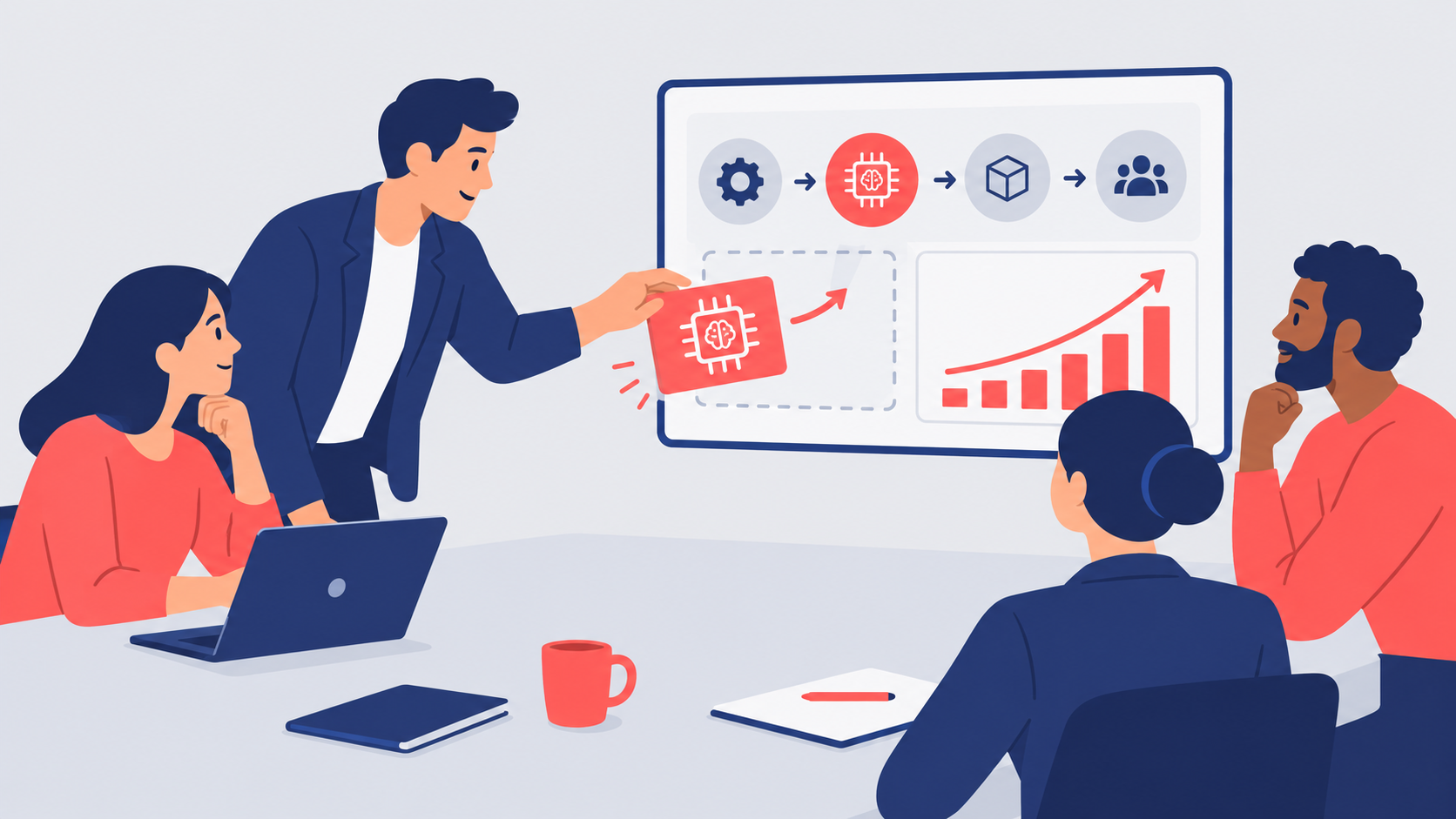
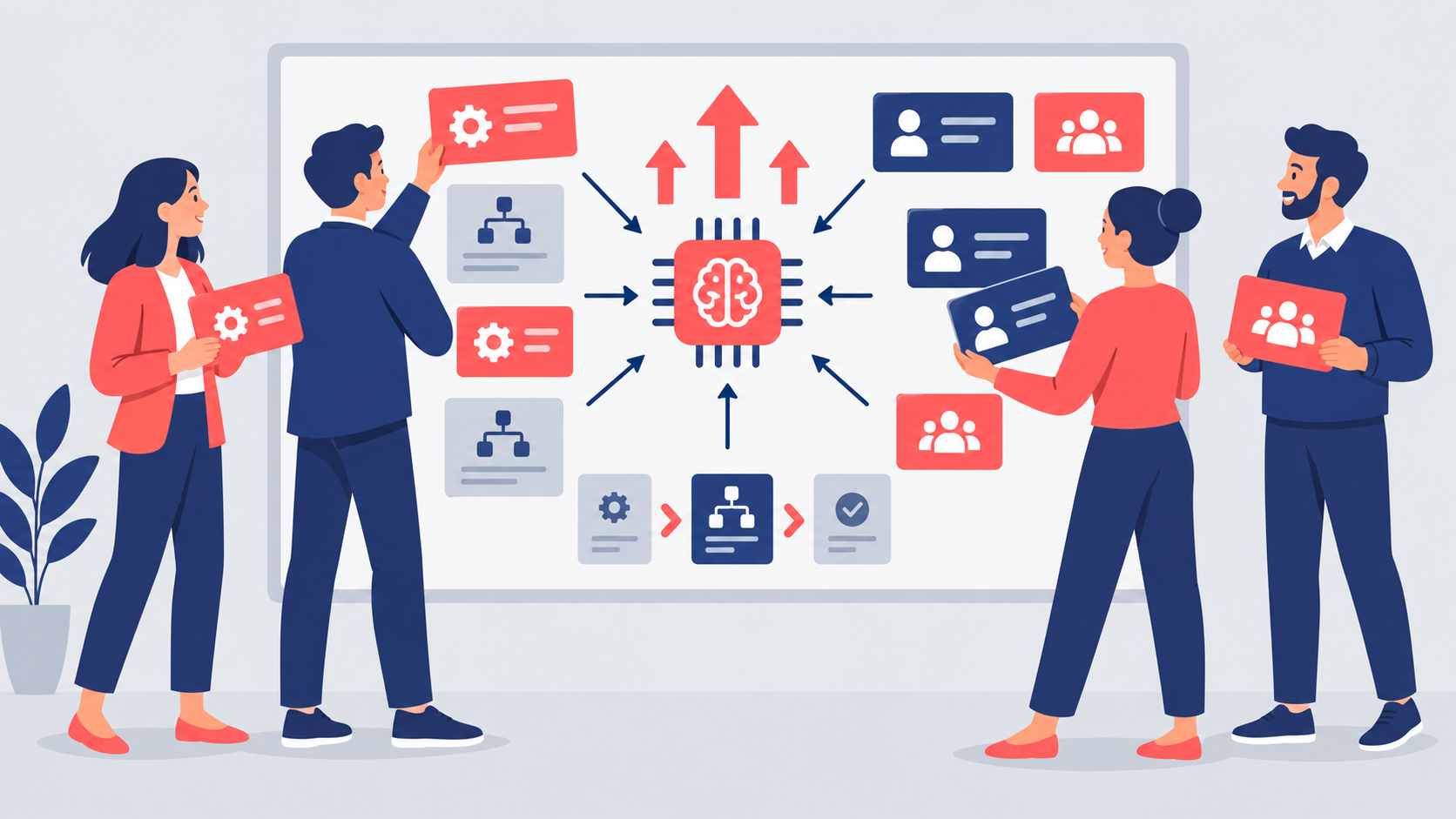
AI transformation is a business change programme. Where AI implementation takes a single use case from pilot to production, transformation looks across the whole organisation: which processes should be redesigned, which roles will change, what skills are needed, what data and systems must improve, and how decisions and controls will work when AI is part of everyday operations.
For an SME, transformation rarely means a grand, all-at-once programme. It usually means a clear direction set by the board, a sequence of practical changes in the areas with most value, and steady investment in people and data so each step builds on the last.
The people side is easy to underestimate. The CIPD Good Work Index 2026 found that of employees using AI at least monthly, 66% said they had received no AI training at all. Without training and redesigned roles, AI tools sit on the edge of the job rather than changing it.
The benefits of AI transformation for SMEs
When it is led well, AI transformation gives an SME advantages that are hard for slower competitors to copy:
- Higher productivity — growth without adding headcount at the same rate.
- Faster decisions — better, more timely information for managers and the board.
- Better customer experience — quicker responses, more consistent service and personalised communication.
- More valuable roles — people spend less time on repetitive work and more on judgement, relationships and improvement.
- Stronger resilience — documented, automated processes depend less on one or two key individuals.
- Lower risk — clear governance replaces unmanaged experimentation.
- A more attractive business — for talent, for customers and, eventually, for investors or buyers.
How to approach AI transformation in phases
Start with direction. The board agrees what AI should do for the business — growth, margin, service, resilience — and the guardrails it must operate within. A short strategy phase identifies the processes with the most value; our guide to AI strategy consulting costs explains how to scope it sensibly.
Then work in waves of three to six months. Each wave redesigns two or three processes end to end, changes the roles involved, trains the people affected and puts measures in place. Between waves, invest in the foundations that every later wave needs: clean data, connected systems, an AI policy and a simple way to approve new tools.
Picture a 250-person logistics business. In the first wave it redesigns customer service and quoting: AI drafts responses and quotes, staff review and personalise them, and team leaders are trained to coach the new way of working. In the second wave it moves to planning and finance reporting. After a year, the business is handling noticeably more volume with the same team, and managers trust the numbers they are given. Just as importantly, staff see AI as something that makes their jobs better, because they were involved in redesigning the work rather than having tools imposed on them.
Who should lead AI transformation?
AI transformation needs a senior leader who can work across technology, operations and people, with the authority to change processes and roles. In a large company that might be a chief digital or transformation officer. Most SMEs do not have that role, and recruiting one full-time is expensive and slow. Handing the job to IT alone tends to produce new tools without changed ways of working, while handing it to HR alone can stall on technology and data. The leader has to bridge both, and report progress to the board in plain business terms.
When choosing a leader or adviser, look for a record of delivering change in a business like yours, comfort with both technology and people, sector knowledge, a phased and measurable approach, and no long-term tie-in. Our AI consultancy service draws on transformation, data and AI, and HR leaders from our bench who can lead the programme part-time and hand over once it is embedded.
Frequently asked questions
What is the difference between AI transformation and AI implementation?
How long does AI transformation take for an SME?
Will AI transformation mean job losses?
How much does AI transformation cost?
Do SMEs need a chief AI officer?
Ready to lead your AI transformation?
Leadership Services gives UK scale-ups and SMEs access to a bench of 500+ senior directors, including transformation, data and AI, and HR leaders who can lead your AI transformation part-time and build the capability to sustain it. Engagements start from £1,795 per month, begin within one week and have no long-term tie-ins — get in touch and we will respond the same working day.