TL;DR
A headless website separates the content you edit from the code that displays it: content lives in a CMS or simple files, and the site itself is built as fast, pre-generated pages served from a global network. For UK businesses the main benefits are speed, stronger Core Web Vitals, better security and freedom to reuse content anywhere. It suits firms that treat their website as a growth channel; a simple brochure site may not need it.
Last updated: 26 October 2026
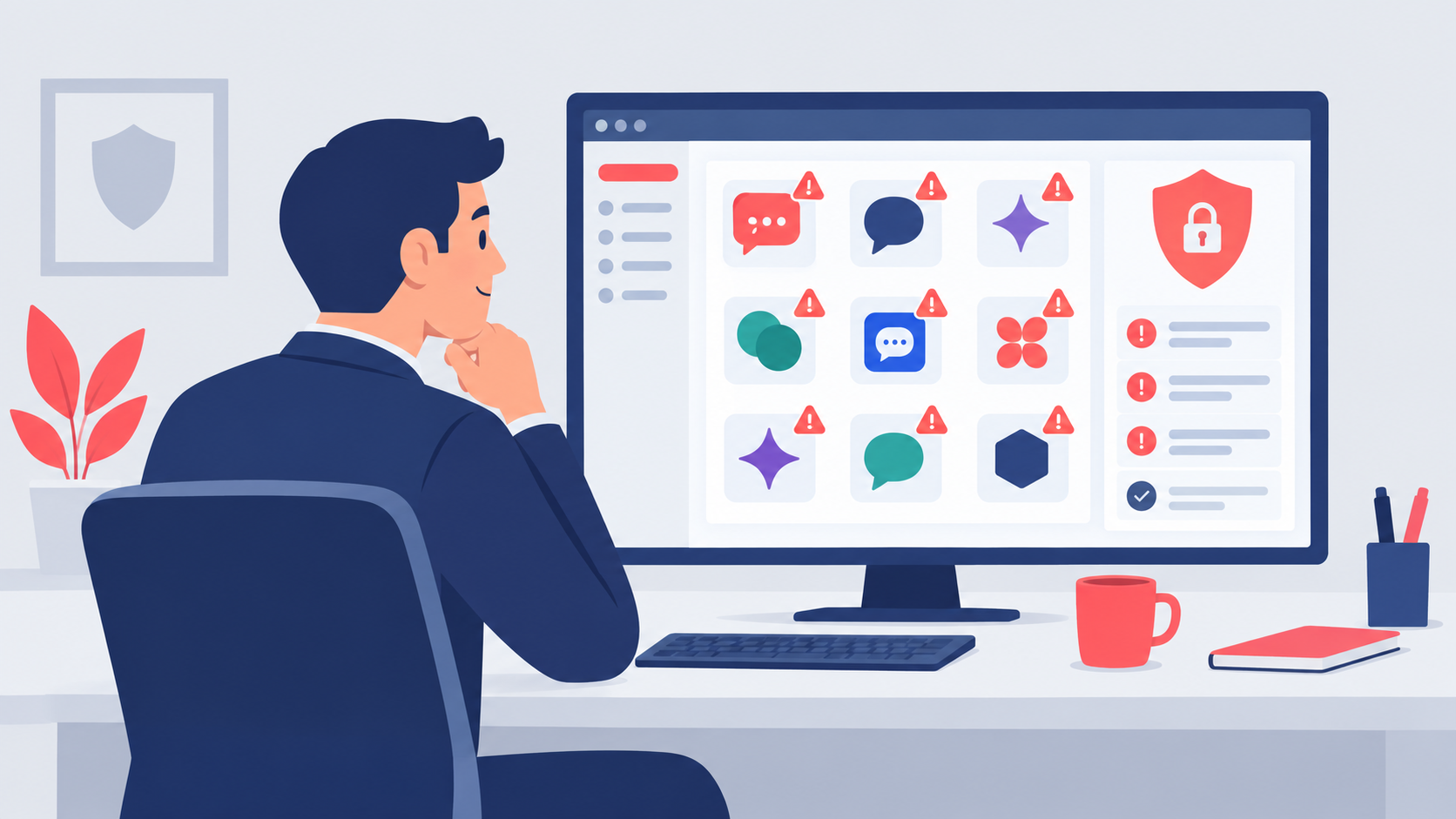
A headless website is no longer just a choice for large e-commerce brands. Marketing leads at UK SMEs and scale-ups are moving to headless builds because their traditional websites are slow, hard to secure and awkward to change without a developer. Every plugin update on a classic CMS is a small risk, and every extra second of load time costs enquiries.
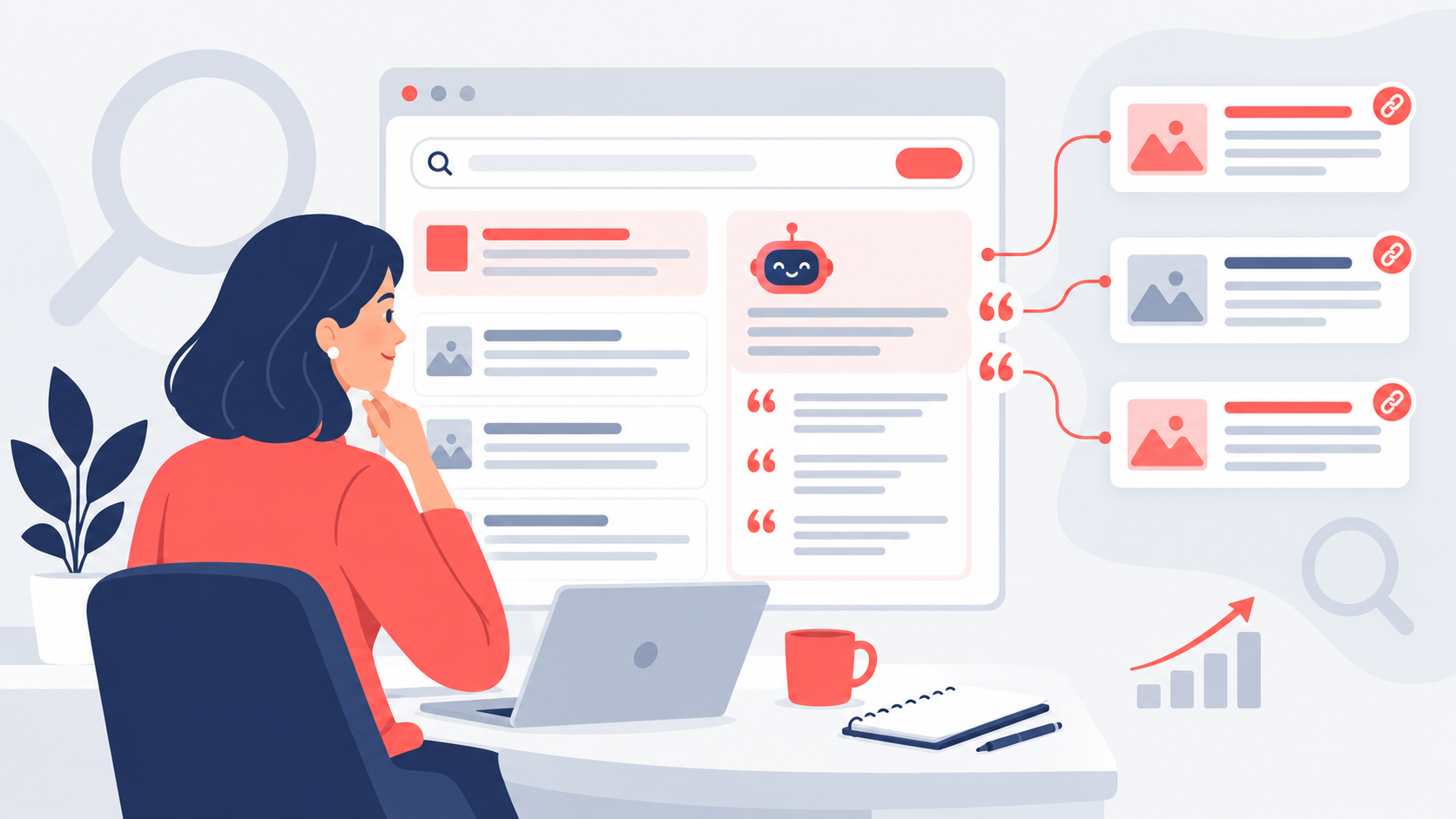
Speed also matters for search. Google Search Central recommends that site owners achieve good Core Web Vitals for success with Search and a good user experience. Those measures of loading, responsiveness and visual stability are easier to hit when pages are pre-built rather than assembled on a server every time someone visits.
We practise what we preach: leadership-services.co.uk is itself a headless, statically generated site. This guide explains what a headless website is, the benefits, how a migration works and how to decide whether it is right for your business.
What is a headless website?
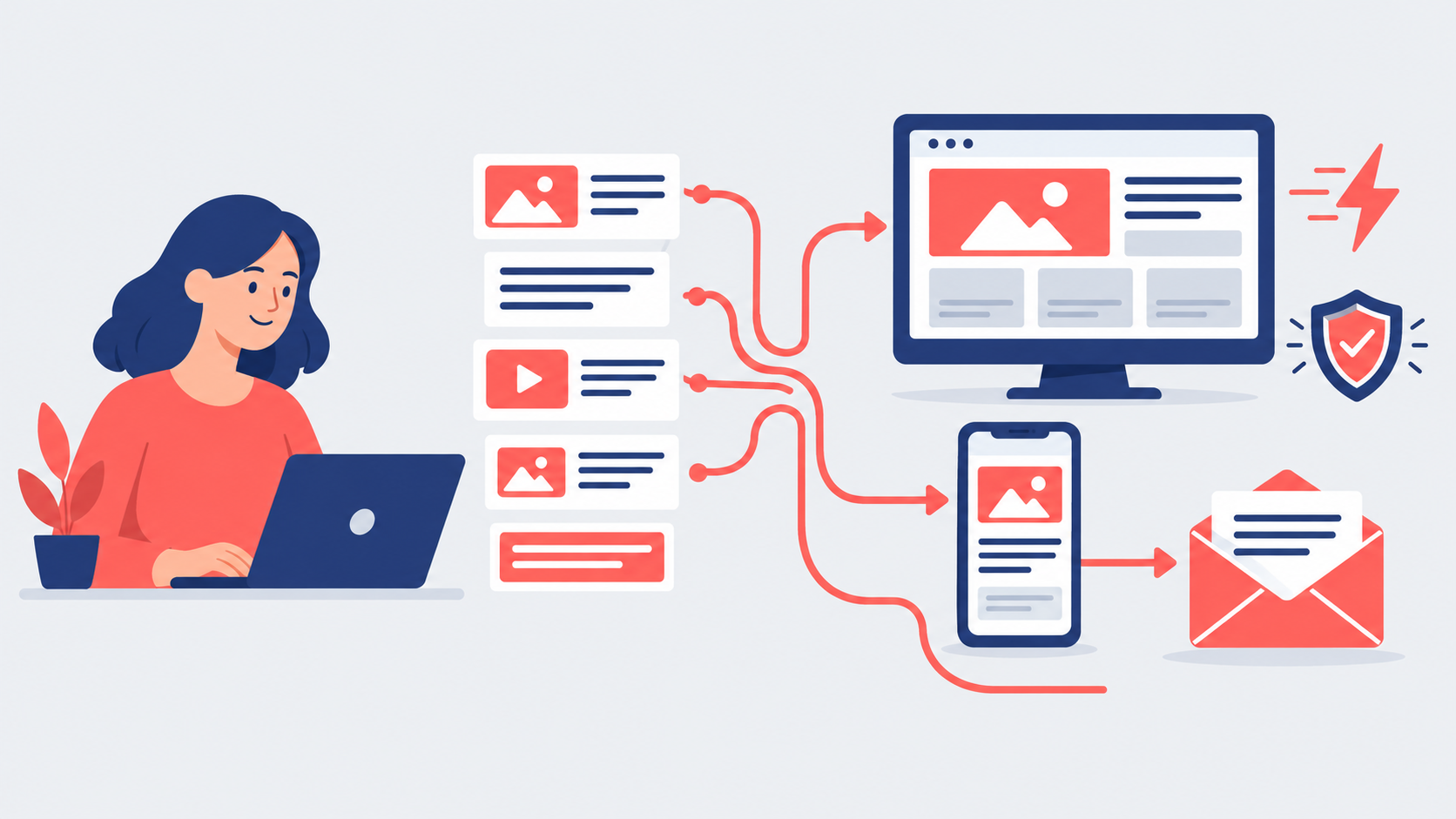
In a traditional website, the content management system both stores your content and generates every page when a visitor arrives, using themes and plugins. In a headless website, the "head" — the presentation layer — is separated from the content. Content is stored in a headless CMS or structured files, and a modern framework turns it into pages, usually at build time, which are then served from a content delivery network close to the visitor.
Forms, search, chat and other interactive features are handled by small serverless functions or connected services rather than one large server application. Marketing teams still edit content through a friendly interface; developers control the design system and performance; and the same content can feed the website, email, apps or AI assistants.
Headless is an architecture, not a product. Common combinations pair a headless CMS with a static site framework and a hosting platform with a global network, but the right stack depends on your team and requirements.
The benefits of a headless website for UK businesses
The case for a headless website rests on a handful of practical benefits:
- Speed — pre-built pages served from a global network typically load far faster than server-rendered pages.
- Better Core Web Vitals — fast loading and stable layouts support the page experience signals Google measures.
- Stronger security — no public admin login or plugin stack on the live site greatly reduces the attack surface.
- Lower running risk — fewer moving parts to patch, and traffic spikes are absorbed by the network.
- Content reuse — the same structured content can power the website, newsletters, apps and AI search answers.
- Design freedom — no fighting a theme; developers can build exactly what the brand needs.
- Easier SEO structure — clean URLs, schema markup and redirects are controlled in code and versioned.
How moving to a headless website works
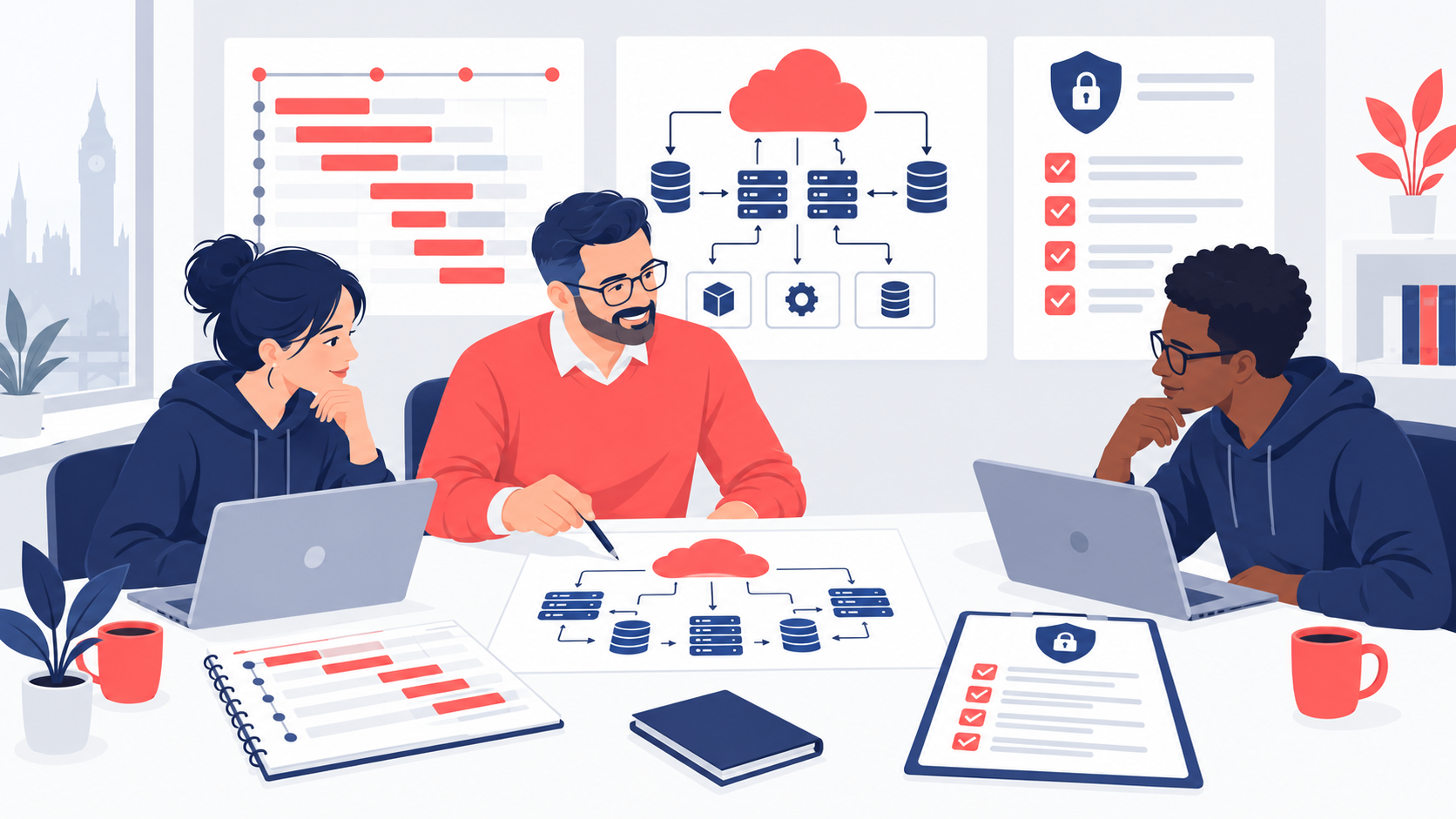
Start with an audit of the current site: pages, traffic, rankings, forms, integrations and redirects. Protecting existing search performance is the priority, so map every old URL to its new home and keep page titles, content and structured data consistent through the switch. Our guide to AI SEO explains why clean structure and schema matter even more as AI search grows.
Then choose the content approach — a headless CMS for non-technical editors, or structured files for teams comfortable with version control — and rebuild the templates. Measure performance against Google's Web Vitals thresholds before launch, test forms and tracking, and keep basic cyber hygiene in place; the NCSC's small business guide is a good checklist for accounts, backups and updates.
Picture a 70-person professional services firm whose old site takes several seconds to load on mobile and needs constant plugin updates. Over eight weeks it moves to a headless build: content is migrated into structured files, every old URL is redirected, and enquiry forms post straight into the CRM. Pages now load almost instantly, the admin login is no longer on the public internet, and the marketing lead can publish new insights in minutes. Because every old URL was redirected and page titles were kept, search rankings held through the switch and began to improve once Google recrawled the faster pages.
Is a headless website right for your business?
A headless website makes most sense when the site is a genuine growth channel: you publish regularly, rely on search for enquiries, need strong security, or want to reuse content across channels. It is less compelling for a five-page brochure site that rarely changes, or where nobody has the skills to maintain a modern build. If your current site is fast, secure and easy to update, a rebuild may not be the best use of budget; improving content and conversion could deliver more.
When choosing a partner, look for experience of migrations that protected rankings, clear ownership of hosting and security, sensible editing tools for your team, transparent pricing and no lock-in. Our AI and digital consultancy, fractional CTOs and fractional CMOs on our bench can assess whether headless fits, choose the stack and oversee delivery.
Frequently asked questions
Is a headless website better for SEO?
Can marketing teams still edit a headless website?
How much does a headless website cost?
Is a headless website more secure than WordPress?
How long does a headless migration take?
Ready to rethink your website?
Leadership Services gives UK scale-ups access to a bench of 500+ senior directors, including CTOs and CMOs who can decide whether a headless website is right for you, plan a migration that protects your rankings and oversee delivery. Engagements start from £1,795 per month, begin within one week and have no long-term tie-ins — get in touch and we will respond the same working day.