TL;DR
AI integration services connect AI tools to the systems a business already runs — CRM, ERP, finance, document stores and email — so AI works on real data inside real workflows instead of sitting in a separate chat window. They cover data access, APIs, workflow automation, security and monitoring. For most UK businesses, integration is the step that turns AI from a personal productivity aid into something that changes how the organisation works.
Last updated: 19 October 2026
AI integration services are where many AI ambitions stall. Staff may be using AI tools every day, but if those tools cannot see the CRM, the ERP or the document library, every useful task still involves copying and pasting. The UK Business Data Survey 2026 found that only 21% of AI-using businesses said their AI tools were integrated into existing business systems — 31% of small and medium businesses, rising to 57% of large ones.
That gap matters to an IT director. Unintegrated AI produces isolated gains for individuals, while the business keeps the manual handoffs, the duplicate data and the risk of staff pasting sensitive information into tools nobody has approved.
This guide explains what AI integration services include, the benefits, how an integration project runs, and how to choose a provider.
What are AI integration services?
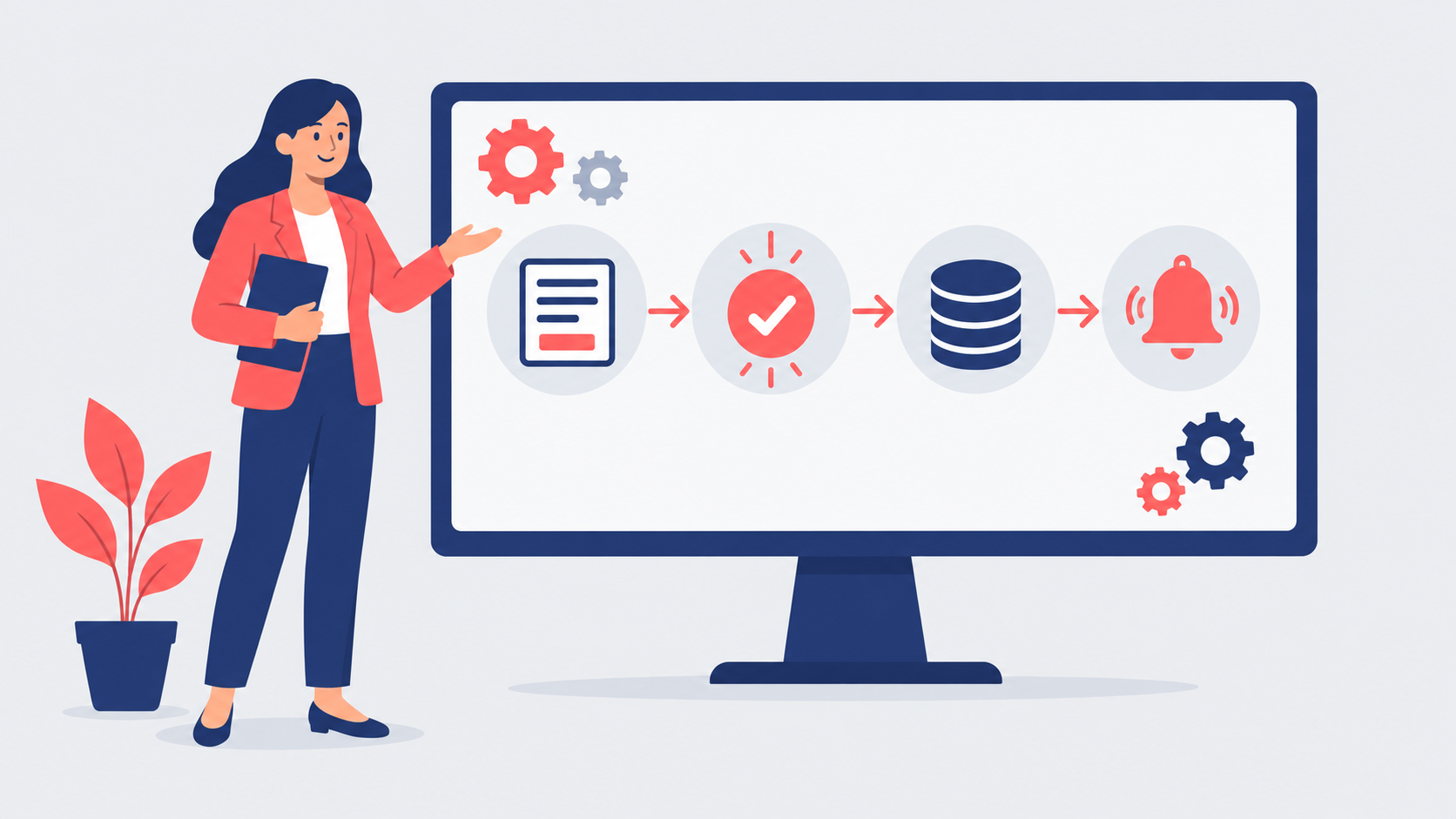
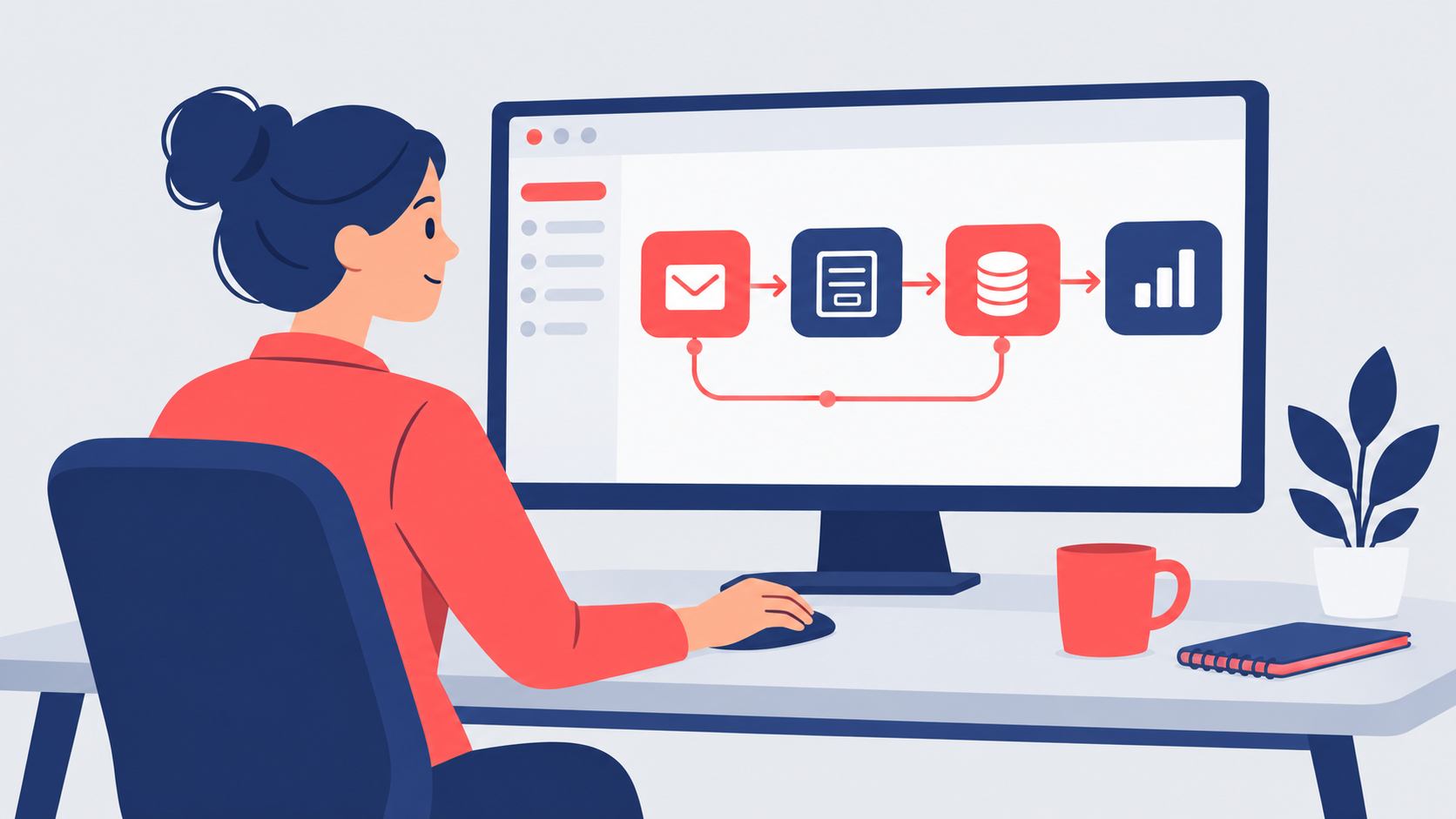
AI integration services design and build the connections between AI capabilities and your business systems. Typical work includes connecting an AI assistant to your document store so it can answer questions from approved content, adding AI steps to workflows — for example classifying incoming emails and creating CRM records — and exposing data from ERP or finance systems through secure APIs so AI can summarise, forecast or flag exceptions.
Integration can use the AI features built into platforms you already license, dedicated workflow tools such as those covered in our n8n automation guide, or custom connections to AI model APIs. Where data is highly sensitive, integration may involve a model hosted in your own environment; our guide to local LLMs explains when that makes sense.
Integration is a stage within wider AI implementation. Implementation covers the whole journey from pilot to production, including people and process change; integration is the technical work that makes AI part of the systems landscape.
The benefits of AI integration services
Well-designed integration delivers benefits that standalone AI tools cannot:
- Fewer manual handoffs — AI reads from and writes to the systems where work happens.
- Better answers — AI grounded in your own approved data is more accurate and relevant.
- Controlled data access — permissions are enforced by design, rather than relying on staff judgement.
- Consistent processes — the same AI-assisted steps run every time, with an audit trail.
- Faster value from existing systems — CRM, ERP and finance data become easier to use.
- Reduced shadow AI — staff have approved, connected tools, so they stop improvising.
- A scalable foundation — each new use case reuses the same connections and controls.
How an AI integration project works
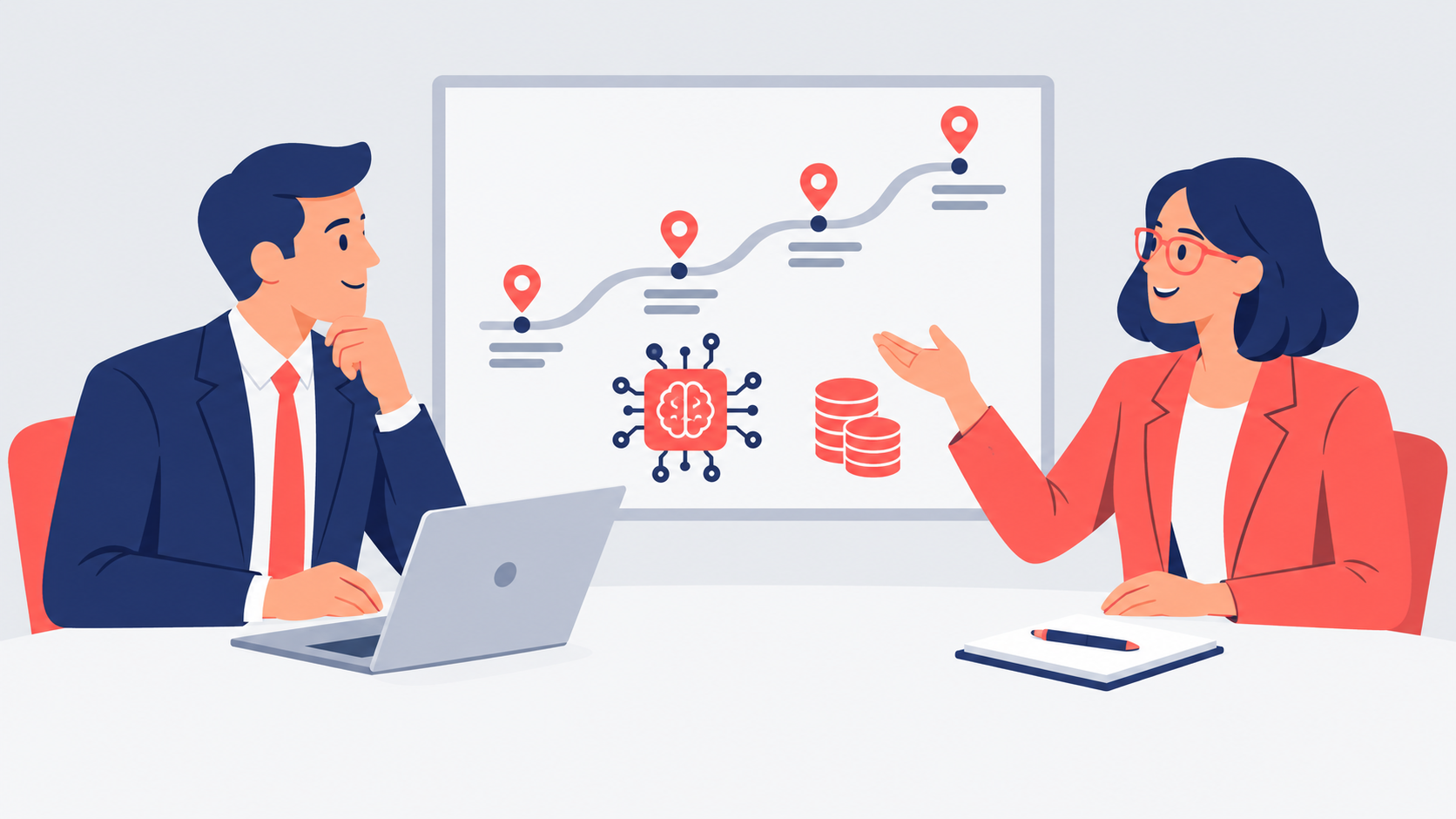
Start with the process and the data, not the technology. Map the workflow, the systems it touches, the data each step needs and who is allowed to see it. Then choose the integration approach: built-in platform features where they are good enough, workflow tooling for multi-system processes, and custom APIs only where needed.
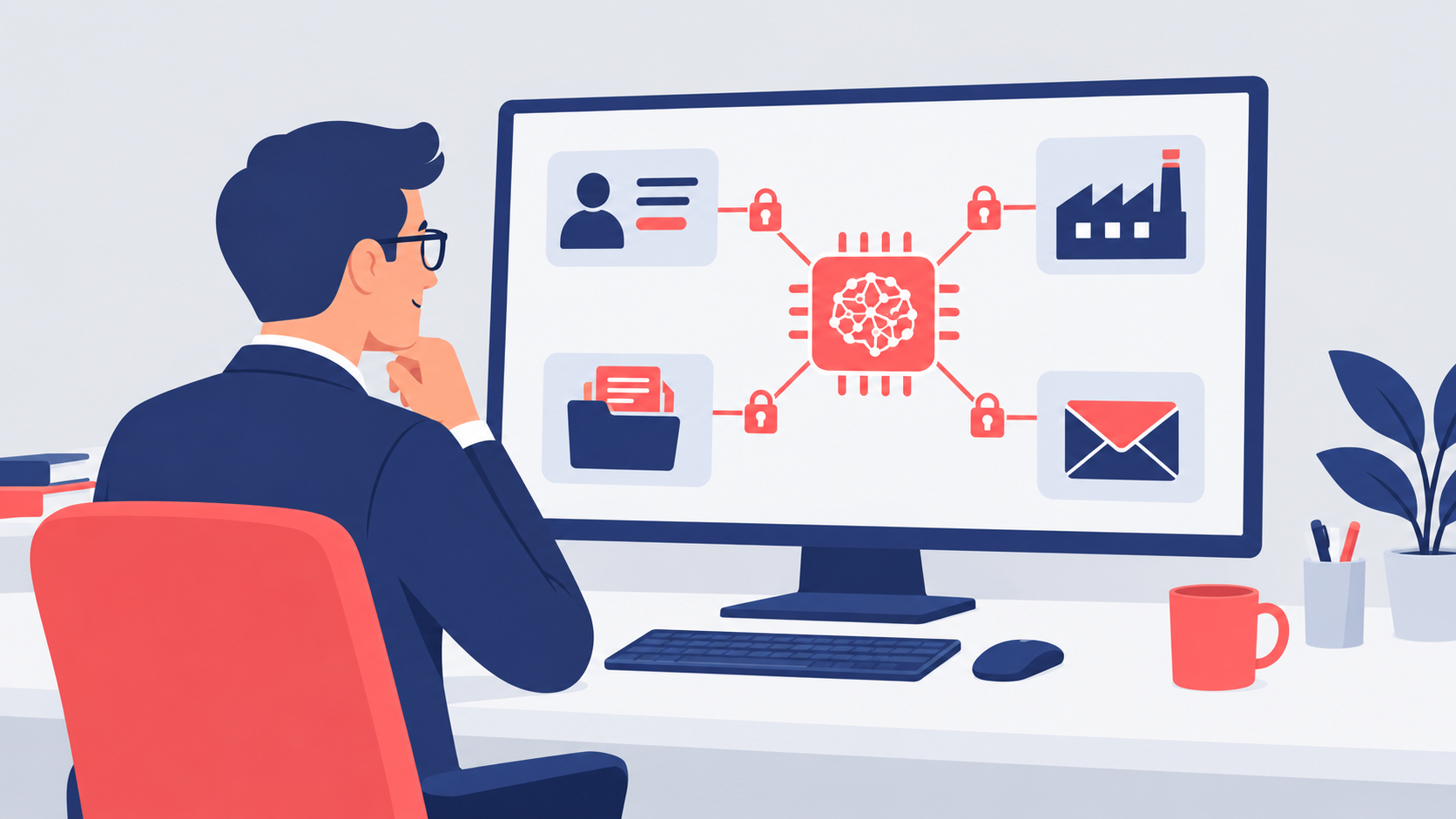
Security has to be designed in. The NCSC's guidelines for secure AI system development cover secure design, development, deployment and operation, and apply as much to integrating AI as to building it. Use least-privilege access, keep credentials in proper secrets storage, log what AI reads and changes, and test for risks such as prompt injection through documents or emails. The ICO's accountability guidance also means you must be able to show what personal data flows where, and why.
Picture a 140-person wholesaler whose sales team uses an AI assistant but cannot see stock, pricing or order history in it. An integration project connects the assistant to read-only views of the ERP and CRM, respecting existing permissions. Sales staff can now ask for a customer's recent orders and available stock in one place, draft quotes from live prices and log the result back to the CRM, with every action recorded. Because the integration reuses the ERP's existing permissions, a sales assistant can only see the accounts they already manage, and finance can review exactly what the AI accessed. The same connections are later reused for a second use case: flagging slow-paying customers to the credit controller each morning.
How to choose an AI integration provider
Look for experience integrating the systems you actually run, not just AI enthusiasm. Ask how they handle authentication, permissions, logging and failure, and who supports the integration once it is live. Check they understand UK GDPR and can document data flows. Prefer providers who recommend the simplest approach that works, including using features you already pay for. Ask to see an integration they built a year ago that is still running, and how they handled the inevitable system upgrades since.
Insist on a fixed scope per phase, clear acceptance criteria, documentation and a handover plan, with no long-term lock-in. Make sure someone senior on your side owns the integration roadmap. Our AI consultancy service and the CIOs and data and AI directors on our bench can design the integration approach, oversee delivery partners and keep the architecture secure and maintainable.
Frequently asked questions
What is the difference between AI integration and AI implementation?
How much do AI integration services cost?
Is it safe to connect AI to our business systems?
Do we need custom development for AI integration?
Who should own AI integration?
Ready to connect AI to your systems?
Leadership Services gives UK scale-ups access to a bench of 500+ senior directors, including CIOs and data and AI leaders who can design secure AI integrations, manage delivery partners and make AI part of how your systems work. Engagements start from £1,795 per month, begin within one week and have no long-term tie-ins — get in touch and we will respond the same working day.