TL;DR
Contract management automation cost depends far less on the software licence than on three things: how messy your existing contracts are, how many systems the workflow must connect to, and how much of the process you want automated. For most UK SMEs and scale-ups, the cost of doing nothing is the bigger number — World Commerce & Contracting estimates average contract value erosion at 8.6%. Start with a contract audit, automate renewals and obligations first, and measure the money recovered.
Last updated: 30 October 2026
Finance directors and legal leads ask us about contract management automation cost more than almost any other automation question. That makes sense: contracts sit at the point where revenue, risk and cash meet, and most growing businesses still run them from shared drives, inboxes and spreadsheets. According to World Commerce & Contracting, average contract value erosion stands at 8.6%, with the best performers at a little over 3% and the worst at more than 20%.
On the procurement side, the same body's research on the procurement value gap finds organisations lose an average of 11% of contract value after signature, through unrecorded changes, missed notice periods and auto-renewals on unfavourable terms. Those are exactly the failure points automation is good at fixing.
This guide explains what you actually pay for, where the hidden costs sit, how to build a business case your board will accept, and how to keep the project small enough to succeed.
What drives contract management automation cost?
Every project has the same building blocks. The price of each one varies with the size and complexity of your contract estate:
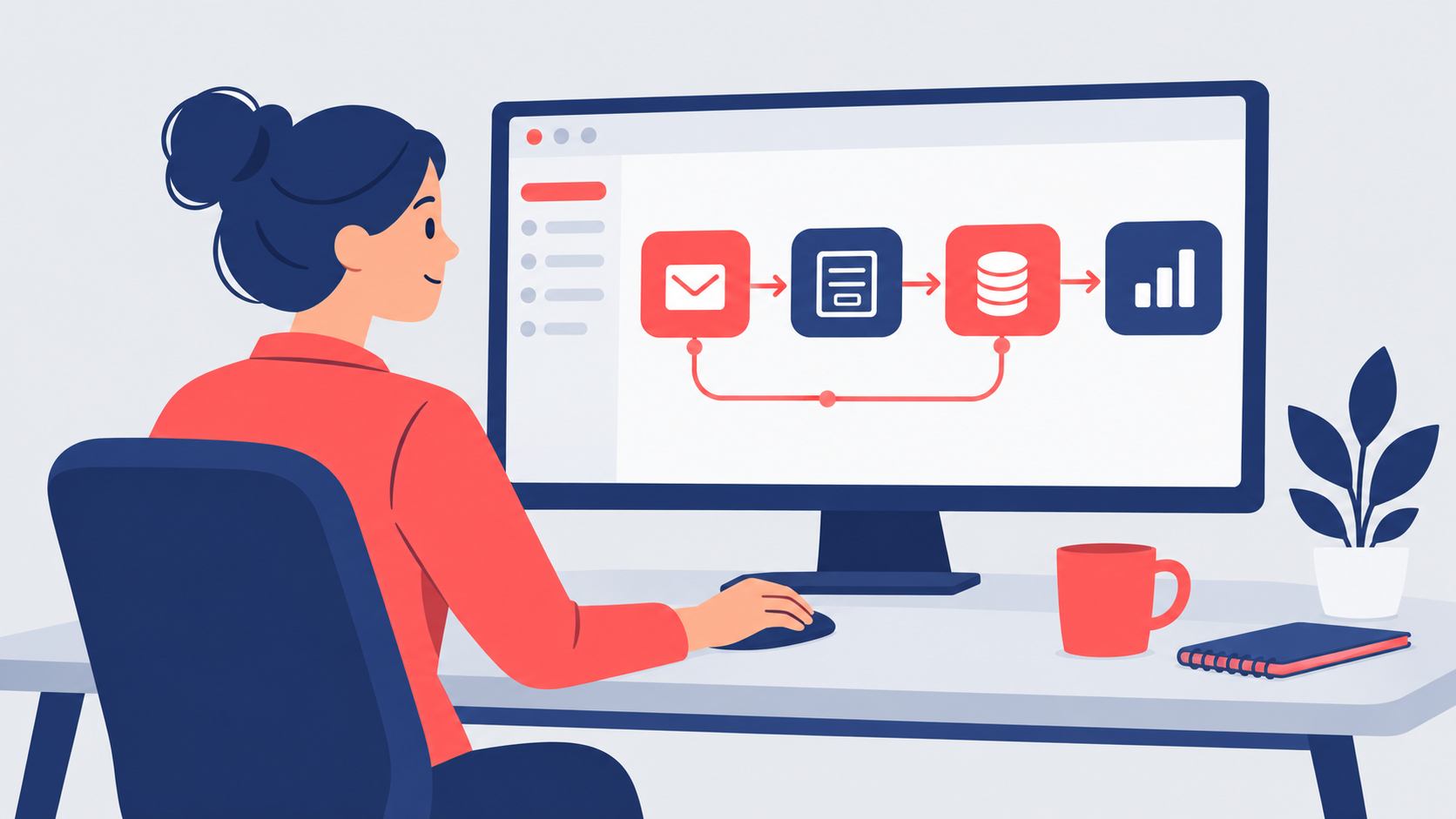
- Software — either a dedicated contract lifecycle management (CLM) platform priced per user or per contract, or workflow tools you may already own, such as Microsoft 365, SharePoint and Power Automate, or n8n.
- Contract migration — finding, cleaning and loading existing contracts, and extracting key data such as parties, values, renewal dates, notice periods and obligations. AI extraction speeds this up but still needs human checking.
- Integration — connecting contract data to your CRM, finance system, e-signature tool and document storage so information is entered once.
- Workflow design — approval routes, templates, clause libraries, renewal alerts and obligation reminders that reflect how your business really works.
- Internal time — legal, finance and commercial staff reviewing data, testing workflows and adopting new habits. This is often the largest cost and the one most often left out of business cases.
- Ongoing support — licence renewals, workflow changes, user training and data quality checks.
The cheapest licence is rarely the cheapest project. A platform that does not connect to your finance system can leave staff rekeying data, which removes much of the benefit.
Buy a CLM platform or build on tools you already own?
There are two broad routes. A dedicated CLM platform gives you contract-specific features out of the box — clause libraries, redlining, obligation tracking and reporting — and suits businesses with high contract volumes, complex negotiations or a dedicated legal team. Expect a meaningful annual subscription and an implementation project.
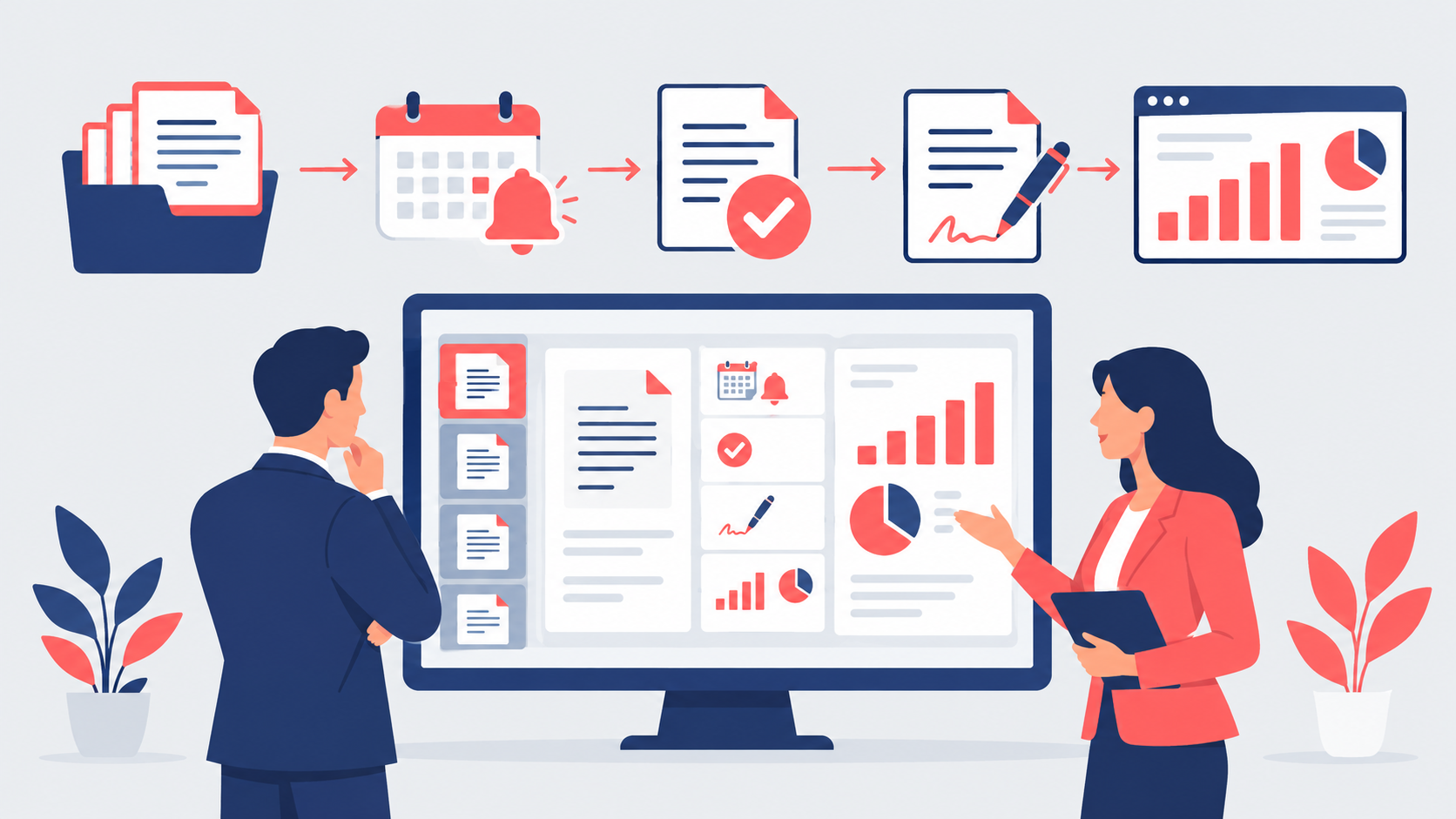
Building on existing tools suits many SMEs and scale-ups better. A central SharePoint library with structured metadata, automated renewal and notice-period alerts, an approval workflow and an e-signature integration covers most of the value for a fraction of the licence cost. The trade-off is that someone needs to design it properly and own it afterwards.
Our view is simple: automate the high-value, repetitive steps first, prove the return, then decide whether a full CLM platform is justified. Our guide to workflow automation software compares the main tool options.
The cost of not automating contract management
When you weigh up contract management automation cost, compare it with what manual contracting is already costing you. The common losses are:
- Auto-renewals — supplier contracts rolling over at higher prices because nobody spotted the notice period.
- Missed entitlements — volume rebates, service credits and price reviews that were never claimed.
- Unbilled work — scope changes agreed by email but never invoiced.
- Late payment — invoices raised late or against the wrong terms, damaging cash flow.
- Disputes — unclear obligations and lost versions that turn small disagreements into expensive ones.
Cash flow is where this hurts smaller businesses most. Research for the Office of the Small Business Commissioner estimates late payments cost the UK economy almost £11 billion a year, with affected businesses spending an average of 86 hours a year chasing them. The government is also introducing mandatory statutory interest and a 60-day cap on payment terms for large firms paying smaller suppliers, which makes accurate contract terms and payment data even more valuable.
How to build the business case
A credible business case for your board takes three steps. First, audit a sample of contracts: count them, find the renewal dates and notice periods, and identify missed entitlements and unbilled changes from the last year. Second, put a value on the leakage you find — even recovering one percentage point of contract value often pays for the project. Third, cost the project honestly, including internal time and ongoing support.
Picture a 120-person UK services scale-up with around 400 customer and supplier contracts held in folders and inboxes. A two-week audit finds a dozen supplier contracts that auto-renewed at higher rates and several customer price reviews that were never applied. A phased project — a central library, extracted key dates, renewal alerts, an approval workflow and a link to the finance system — pays for itself within the first renewal cycle, and gives the finance director a live view of contract obligations for the first time.
Phase the work. Start with visibility and renewals, then approvals and templates, then integration with finance and CRM. Each phase should deliver measurable value before the next one is funded.
Who should lead the project?
Contract automation fails when it is treated as an IT install or a legal side project. It needs someone who understands commercial terms, finance processes and technology together. In many SMEs and scale-ups, that is a senior leader working part-time: a technology director to design and deliver the automation, alongside a finance or commercial director to define what good looks like.
Our AI consultancy team builds contract workflows like these, and directors from our bench — including part-time finance directors and fractional commercial directors — make sure the result protects margin and cash, not just paperwork.
Frequently asked questions
How much does contract management automation cost for a UK SME?
What should we automate first?
Can AI read our existing contracts?
Do we need a dedicated contract lifecycle management platform?
How long does a contract automation project take?
Ready to stop contract value leaking away?
Leadership Services gives UK SMEs and scale-ups access to a bench of 500+ senior directors, including technology, finance and commercial leaders who design and deliver contract automation that pays for itself. Engagements start from £1,795 per month, begin within one week and have no long-term tie-ins — get in touch and we will respond the same working day.